

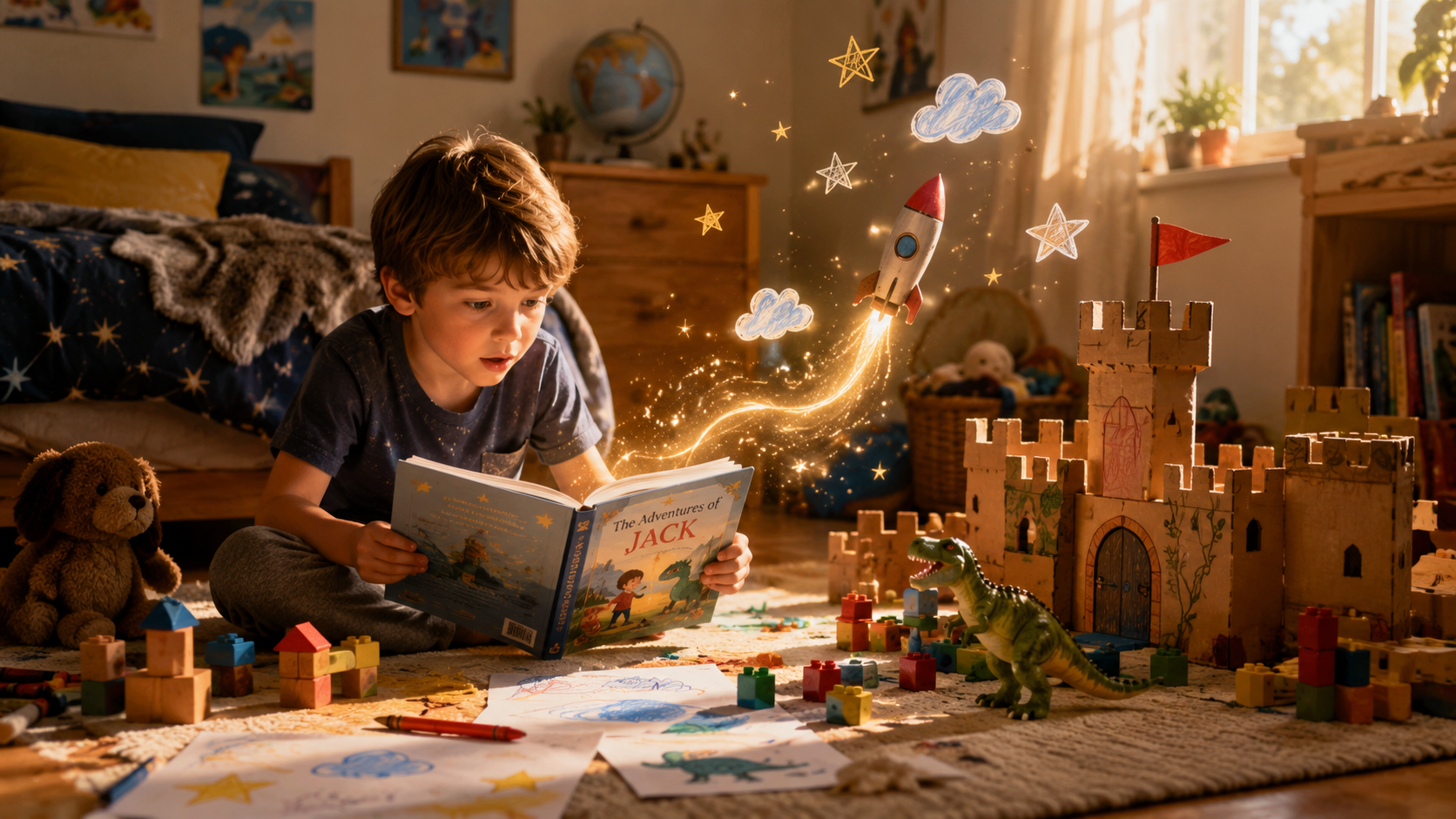
What If Quiet Time Could Spark Their Own Ideas?
LEGO, building blocks, puzzles, crafts, and reading are all classic screen-free activities. But the question many parents still ask is: which activity actually helps children think, imagine, and create their own stories?
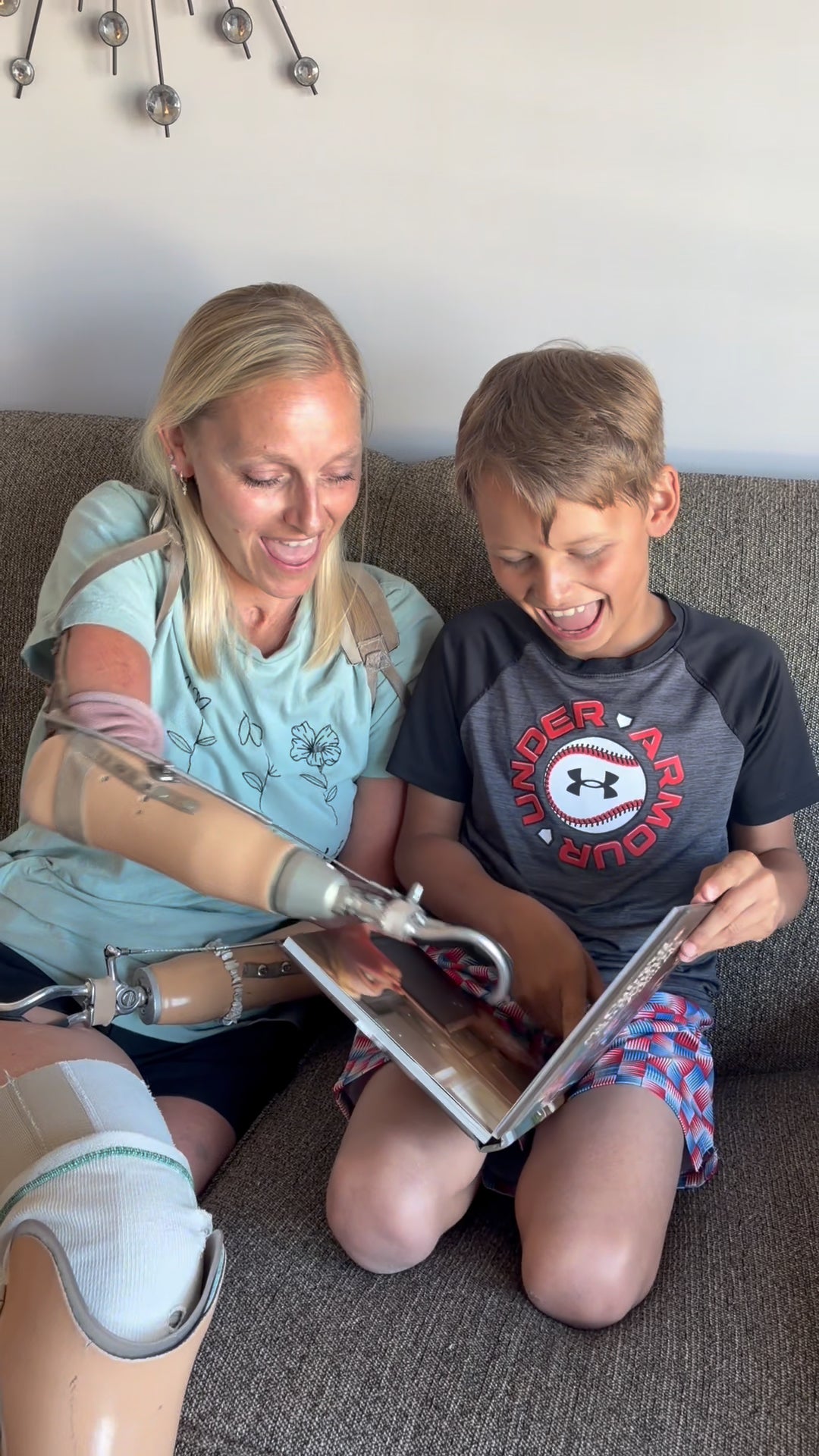
Quick answer: Good screen-free activities for kids include reading, LEGO, building blocks, puzzles, drawing, crafts, pretend play, outdoor adventures, baking, and quiet storytime. But if you want an activity that goes beyond “keeping them busy,” a personalized storybook can be especially powerful because it invites children to read, imagine, ask questions, and continue the story in their own words.
The Usual Screen-Free Activities Parents Search For
When parents search for screen-free activities for kids, the same good ideas usually appear again and again — and many of them are genuinely useful.
These are all strong options. LEGO can build patience. Blocks can build spatial thinking. Puzzles can build problem-solving. Drawing can build creativity. Reading can build language and emotional connection.
But here is the problem many parents quietly feel: even with a full activity shelf, children still ask for the tablet.
The Real Problem Is Not Just “Screen Time”
The problem with screens is not only the minutes on the clock. It is the kind of attention children are trained to use.
Many screens fill children with fast, scattered, constantly changing information. One clip ends. Another starts. One sound effect interrupts another. One bright scene replaces the next before a child has time to sit with an idea.
That kind of content can keep a child occupied, but it does not always invite them to think independently. It can fill the mind without asking the child to create anything inside it.
So the better question is not only: “How do I keep my child away from a screen?”
The better question is:
What activity can hold their attention while also helping them imagine, reflect, speak, ask, and create?
Why Some Screen-Free Activities Work Better Than Others
A good screen-free activity does not just remove the tablet. It gives children a more active role.
Instead of watching someone else build, the child builds. Instead of watching someone else solve a problem, the child tries. Instead of watching a story happen to a character on a screen, the child enters the story, predicts what comes next, and begins making up their own version.
That is why the strongest activities often have one thing in common: they leave space for the child’s mind to do some of the work.
So What Activity Sparks More Imagination?
For many children, the answer is not just “read more books.” It is reading a book they feel personally connected to.
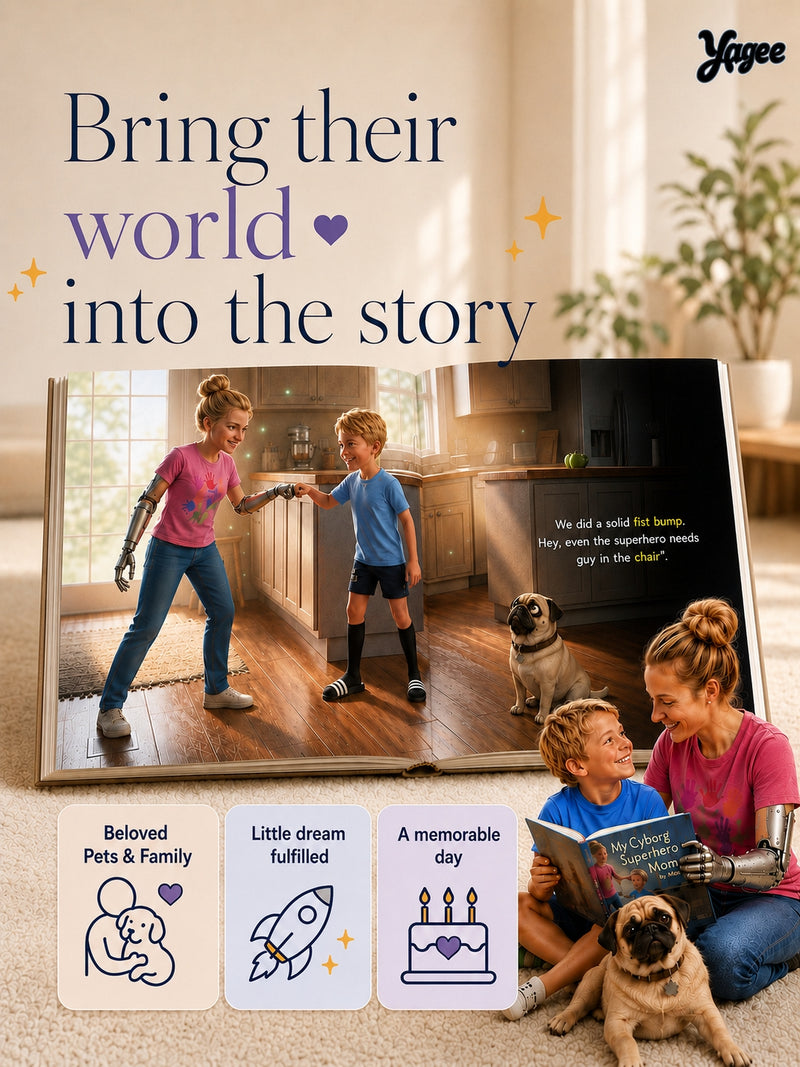
A standard book can be wonderful. But when a child sees their own name, their own likeness, their own interests, their pet, their favorite toy, or their family world inside a story, something changes.
This is where a personalized storybook becomes more than a gift. It becomes a screen-free imagination starter.
The Honest Recommendation: I’m Not Pushing Another Box of Blocks Today
I’ll be honest: this is a recommendation, and yes, it is also a product recommendation.
But it is not the usual “buy this because it looks cute” kind of recommendation. It is the kind of screen-free activity I would genuinely put on my own child’s shelf — because it does something many toys do not always do.
It gives the child a reason to think about a story from the inside.
Today, I am not trying to recommend another set of building blocks, LEGO, craft supplies, or a puzzle box. Those are all useful. But the activity I keep coming back to is a personalized children’s storybook.
Not a book where a name is simply dropped into a template. A custom storybook where the child becomes the main character, the story is shaped around their photo, interests, name, personality, favorite themes, or real-life details.
Why a Personalized Storybook Works So Well as a Screen-Free Activity
When children read a story about a random character, they may enjoy it. But when they read a story where they are the hero, they often lean in differently.
They notice the details. They ask, “Is that me?” They laugh at the character. They compare the story to their real life. They imagine what they would do if the adventure continued.
And after the first reading, something important can happen: the story does not end on the last page. It keeps going in their head.
That is the part I think matters most. A good screen-free activity should not just pass time. It should wake up the child’s own imagination.
How This Helps With the “Passive Screen” Problem
Passive screen time often gives children a finished world. The visuals are already made. The sounds are already chosen. The pace is already decided. The child receives the information, but they may not need to build much of it themselves.
A personalized storybook works differently. The child has to turn pages. Listen. Look closely. Connect ideas. Ask questions. Imagine what happens between scenes. Predict what comes next.
And because the story is about them, they are more likely to care.
That makes it a useful bridge between reading, pretend play, self-expression, and independent thinking.
Featured YaGee Screen-Free Storybook Ideas
These YaGee storybooks are especially relevant for parents looking for screen-free activities that go beyond simply keeping children busy. Each one gives the child a different way to enter the story, imagine, and continue the adventure.

The Magic of My Name
From $19.99A personalized name meaning adventure where your child becomes the hero of a story shaped around their photo, interests, and identity.
Shop This Book
Adventure with Toy / Pet
From $19.99A fully personalised picture book built around your child’s real life, favorite toy, pet, interests, and imagination.
Shop This Book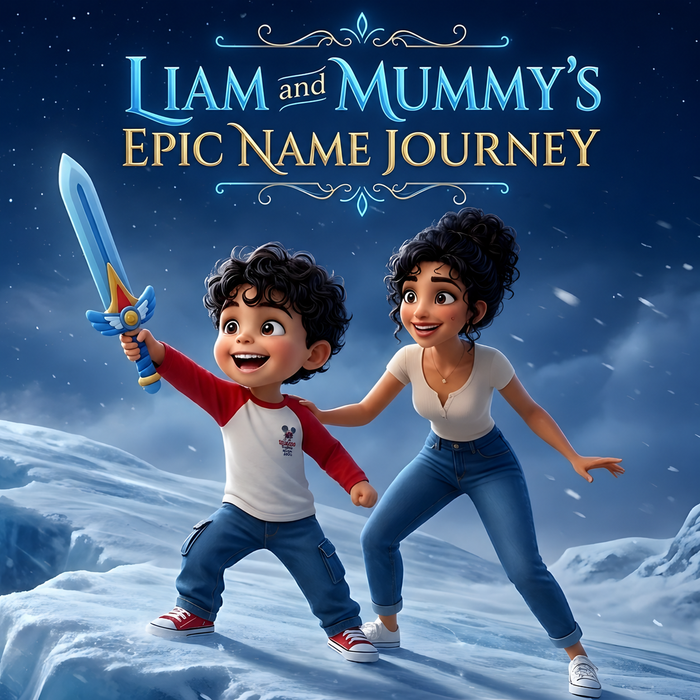
My Name Journey with Mom
From $9.99A warm name-magic adventure designed for shared reading, bedtime connection, and parent-child screen-free story moments.
Shop This BookScreen-Free Activities That Pair Well With a Personalized Storybook
The best part is that a personalized storybook does not have to replace LEGO, blocks, puzzles, drawing, or pretend play. It can make those activities better by giving them a story to grow from.
1. Read the Book, Then Build the World
After reading, invite your child to build one scene from the book using LEGO, magnetic tiles, blocks, or cardboard. A castle, rocket, pet cave, football stadium, dragon mountain, or secret door suddenly has meaning because it came from their story.
2. Draw the Next Page
Ask your child, “What happens after the last page?” Then let them draw it. This turns reading into early storytelling and gives them permission to become the author.
3. Act Out the Adventure
Use soft toys, dress-up pieces, pillows, blankets, or everyday objects to act out the story. This works especially well for younger children who like movement and role play.
4. Create a New Character
Ask your child to invent a helper, a funny villain, a lost animal, a magic object, or a new friend for the next adventure.
5. Let the Child Dictate the Sequel
This is where it becomes powerful. Once a child realizes their own ideas can become a story, they may start telling you what the next book should be about.
That is the opposite of passive screen consumption. It is active imagination.
Best Screen-Free Activities by Purpose
For Quiet Time
Personalized storybooks, puzzles, drawing, sticker books, soft toy play, and building small story scenes.
For Imagination
Custom storybooks, pretend play, LEGO worlds, costume pieces, character drawing, and “what happens next?” games.
For Bedtime
Personalized reading, one calm question, one cuddle, and a small tomorrow-story idea to continue the adventure.
How to Make Screen-Free Time Feel Less Like a Battle
Children often resist screen-free time when it feels like something is being taken away. It becomes easier when something interesting is offered instead.
The goal is not to make every moment educational. The goal is to give children enough space to create something from inside themselves.
Why This Works Especially Well for Kids Who “Don’t Like Reading”
Some children say they do not like reading because books feel unrelated to their world. They may enjoy stories, but not feel pulled into them.
A personalized storybook can change the starting point. The child is no longer reading about someone else. They are reading about themselves.
That does not magically solve every reading challenge, but it can create one important emotional shift: curiosity.
And curiosity is often the first step toward reading more willingly.
Turn Screen-Free Time Into Their Own Story
Create a personalized storybook shaped around your child’s name, photo, interests, favorite themes, and imagination.
Create Their StorybookScreen-Free Activity Ideas for Different Kids
For Kids Who Love Building
Pair a custom adventure book with LEGO, blocks, or magnetic tiles. Let them build the setting from the story, then invent what happens next.
For Kids Who Love Animals or Pets
Choose a pet or toy-themed story, then let them act out the adventure with their favorite stuffed animal or real-life pet nearby.
For Kids Who Love Drawing
After reading, ask them to design a new cover, draw a sequel scene, or create a map of the story world.
For Kids Who Love Big Adventures
Choose a superhero, dinosaur, space, sports, or mystery theme, then turn the story into a pretend mission around the house.
For Kids Who Need Calm
Use personalized books as part of a quiet bedtime ritual. The story feels familiar because it is connected to the child, which can make screen-free wind-down time easier.
The Final Thought: Screen-Free Should Not Mean Empty
The real goal of screen-free time is not just silence. It is not just fewer cartoons, fewer games, or fewer short videos.
The real goal is to give children space to think, wonder, build, speak, imagine, and create something of their own.
LEGO can do that. Blocks can do that. Drawing can do that. Outdoor play can do that.
And for many children, a personalized storybook can do it in a surprisingly powerful way — because the story begins with them.
Frequently Asked Questions About Screen-Free Activities for Kids
What are the best screen-free activities for kids?
The best screen-free activities for kids include reading, LEGO, building blocks, puzzles, drawing, crafts, pretend play, outdoor play, baking, board games, and personalized storybooks.
What screen-free activity helps children use imagination?
Story-based activities are especially good for imagination. Personalized storybooks, pretend play, drawing the next page, building a story world with blocks, and acting out adventures all encourage children to create instead of passively watch.
Are personalized storybooks good screen-free activities?
Yes. Personalized storybooks can be strong screen-free activities because the child becomes the hero, making reading feel more personal, active, and emotionally engaging.
What can I offer instead of a tablet?
Instead of a tablet, offer a simple choice such as reading a personalized storybook, building with LEGO or blocks, drawing a story scene, doing a puzzle, baking together, or going on a mini nature hunt.
Why do screens feel less helpful for independent thinking?
Many screen experiences move quickly and provide constant ready-made images, sounds, and storylines. Screen-free activities that require children to build, imagine, read, draw, or tell stories can give them more room to think independently.
How do I make reading more exciting for my child?
Choose books that connect to your child’s real interests. A personalized storybook can help because the child sees their name, likeness, favorite themes, or real-life details inside the story.
Can a personalized storybook lead to more creative play?
Yes. After reading, children can draw the next page, build a scene from the story, act out the adventure, invent new characters, or dictate their own sequel.
What are screen-free gifts for kids?
Good screen-free gifts for kids include personalized storybooks, building sets, puzzles, board games, art supplies, outdoor explorer kits, pretend-play props, and keepsake books.
Can YaGee create a storybook from my child’s photo?
Yes. YaGee can use an uploaded photo as inspiration for a custom illustrated character, helping the story feel personal, recognizable, and exciting for the child.
Is this just another personalized book template?
No. YaGee is designed for more bespoke personalized storybooks shaped around the child’s photo, name, interests, personality, and story ideas rather than simply inserting a name into a fixed template.
Share:
Birthday Gifts for Kids: Meaningful Ideas That Feel Personal, Creative, and Screen-Free